

Understanding weather-related insurance claims
Severe weather events are among the most common causes of short-term insurance claims. Storms, hail, flooding, strong winds and lightning can cause extensive damage in a matter of minutes, leaving property owners facing unexpected repair costs and disruptions.
While many policyholders assume that any weather-related damage will automatically be covered by their insurance, the reality is often more complex. Cover depends on the specific wording of the policy, the cause of the damage and the circumstances surrounding the loss. Understanding what is covered before disaster strikes can help prevent disappointment when submitting a claim.
What does insurance typically cover?
Most household and commercial insurance policies provide cover for damage caused by storms and hail. This may include roof damage caused by strong winds, fallen trees, broken windows and hail damage to vehicles.
However, insurers assess claims based on the actual cause of the damage rather than simply the fact that severe weather occurred. For example, if a roof collapses or leaks because of poor maintenance, wear and tear, or long-term deterioration, a claim may be reduced or rejected, even if heavy rain ultimately exposed the problem.
Flood damage often requires particular attention, as insurers generally distinguish between different types of water-related events. These may include stormwater runoff, flooding caused by rising rivers or natural watercourses, and seepage or gradual water ingress over time.
These distinctions are important because flood cover may be subject to higher excesses, specific exclusions or sub-limits depending on the property's risk profile. In some cases, flood cover is included automatically, while in others it may require specific underwriting approval. Features such as retaining walls, boundary walls, gates and landscaping are also often subject to special conditions or lower cover limits.
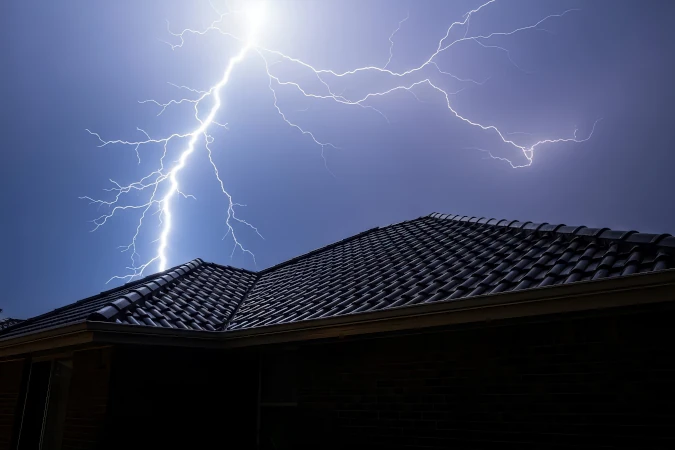
Lightning and power surge claims
South Africa's storm season frequently brings lightning strikes and power surges, both of which can cause significant damage to electrical appliances and equipment. Many insurance policies provide cover for power surge damage, but policyholders should be aware that sub-limits often apply. Insurers may also require proof that appropriate surge protection measures were in place. Repeated claims for power surge damage can sometimes influence future underwriting decisions or policy terms.
Vehicle damage during severe weather
For motorists, hail damage is generally covered under comprehensive vehicle insurance. However, the excess applicable to hail claims may differ from the excess applied to accident-related claims.
During major hailstorms or widespread weather events, insurers often experience exceptionally high claim volumes. In these situations, catastrophe protocols may be implemented, which can result in longer assessment and repair timelines while claims are processed.
Steps to take after weather damage
When weather-related damage occurs, taking the right steps can help streamline the claims process and reduce the risk of complications.
Policyholders should:
Prompt reporting is particularly important after severe weather events, as insurers often receive a surge of claims within a short period. Early notification can help speed up assessments and ensure that emergency accommodation or temporary repair costs are authorised where applicable.
The importance of being prepared
One of the most overlooked aspects of weather-related insurance cover is ensuring that sums insured remain accurate and up to date. Rising construction and replacement costs mean that many properties are unintentionally underinsured.
If significant storm damage occurs and a property is underinsured, the average condition may apply. This means that claim payouts can be reduced proportionately, leaving the policyholder responsible for a larger share of the repair costs.
While the weather itself cannot be controlled, preparation can make a significant difference. Regular property maintenance, a clear understanding of policy definitions, careful review of excesses and cover limits, and accurate sums insured all contribute to a smoother claims experience.
Insurance exists to help restore you after unexpected events. Understanding exactly what your policy covers can provide valuable peace of mind and help ensure there are no surprises when you need protection most.
If you have any questions relating to this matter, please get in touch with us at info@dwdv.insure or call us on 014 592-1077.