

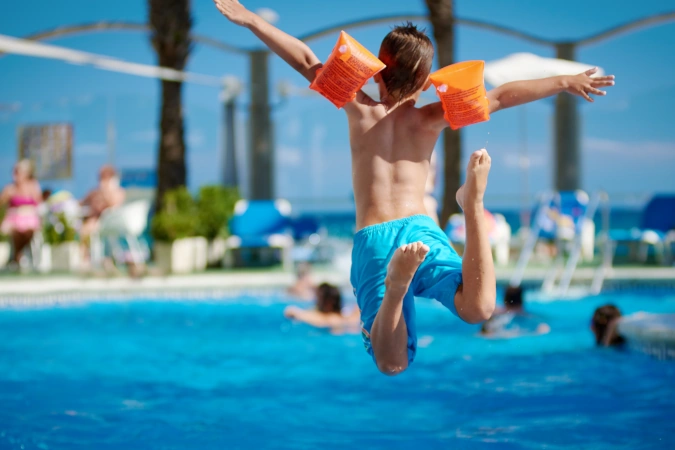

Swimming pools in Community Schemes: A practical guide to Safety, Compliance and Risk Management
In a residential estate or sectional title scheme, a communal swimming pool is often one of the most valued amenities. It offers residents a place to relax, exercise and enjoy the warm climate of South Africa, while enhancing the appeal and value of the development.
However, swimming pools also pose considerable safety risks. One moment of carelessness can lead to serious injury or death, particularly when children are present. The emotional impact of such incidents apart, trustees, directors and managing agents could also face legal and financial consequences if reasonable precautions were not put in place to safeguard residents and visitors.
Pool safety is therefore about far more than just compliance for body corporates and homeowners' associations (HOAs). It requires a proactive approach that includes appropriate physical safeguards, sensible rules, regular maintenance, as well as effective communication.
Here are some key considerations every community scheme should keep in mind.
Understand the legal framework
Unlike many aspects of sectional title management, there is no single piece of legislation that regulates every aspect of communal swimming pools.
Instead, responsibility is drawn from several legal sources, including the Consumer Protection Act, the National Building Regulations and Building Standards Act, applicable municipal by-laws, and South African National Standard (SANS) 10134, which provides guidance on the safety of private swimming pools.
While the Sectional Titles Schemes Management Act does not prescribe detailed pool safety requirements, trustees and managing bodies remain responsible for managing common property with reasonable care and taking practical steps to reduce foreseeable risks.
Prioritise physical safety
The first line of defence is preventing unauthorised or unsupervised access to the swimming pool.
Community schemes should ensure that appropriate barriers are in place and that they are properly maintained at all times. Depending on the layout of the property and municipal requirements, this may include:
These measures are particularly important in reducing the risk of young children accessing the pool without adult supervision.
Maintenance is an ongoing responsibility
Installing safety measures is only part of the solution. They must also remain in good working order.
Trustees and managing agents should conduct regular inspections of the pool area to identify hazards before they become incidents. This includes checking that gates close and latch correctly, fencing remains secure, paving is not damaged or excessively slippery, and safety equipment is available and functional.
Keeping maintenance records is also good practice, as it demonstrates that the scheme has taken reasonable steps to manage known risks.
Clear rules promote safer use
Every community scheme should adopt practical pool rules that promote responsible behaviour and help reduce preventable accidents.
Typical rules may include:
Rules should be displayed prominently and communicated to all owners, tenants and residents.
Adult supervision remains essential
No fence, gate or safety device can replace responsible adult supervision.
Drowning can occur quickly and quietly, often without the dramatic signs many people expect. Children should never be left unattended near water, regardless of whether they can swim.
Residents should also ensure that the supervising adult is attentive, capable of responding in an emergency and not distracted by mobile phones, socialising or alcohol.
Prepare for emergencies
Although every effort should be made to prevent accidents, community schemes should also be prepared should an emergency occur.
Simple measures can make a significant difference, including:
Being prepared can save valuable time when every second counts.
Don't overlook your signage
While warning notices and indemnity boards cannot eliminate liability, they remain an important component of effective risk management.
The Consumer Protection Act requires that notices drawing attention to risks or limiting liability must be displayed in a manner that is clear, visible and likely to attract the attention of an ordinary person before they use the facility. The wording should also be in plain language so that it is easy to understand.
Swimming pools are facilities that carry an inherent risk of injury or drowning, making clear communication particularly important.
Many trustees ask whether these notices must be displayed in more than one language. The answer is no. South African law does not prescribe a minimum number of languages for swimming pool warning notices or indemnity boards. Rather, the emphasis is on ensuring that the information is understandable to those using the facility. Depending on the demographics of the scheme, displaying notices in more than one language may nevertheless be a sensible practical measure.
Typical information displayed on a pool warning notice includes:
Trustees should remember that an indemnity board does not provide blanket protection against legal claims. If a scheme fails to take reasonable precautions to maintain a safe environment, liability may still arise despite the presence of warning signage.
Review your insurance
Risk management and insurance should always go hand in hand.
Public liability insurance provides valuable protection should a claim arise following an accident on common property. However, insurers generally expect body corporates and HOAs to maintain their facilities responsibly and comply with applicable legislation and recognised safety standards.
Regularly reviewing your insurance programme, together with your scheme's maintenance practices and risk management procedures, can help ensure that your cover remains appropriate for your circumstances.
A proactive approach protects everyone
A communal swimming pool should be a place where residents can relax with confidence.
By combining appropriate safety measures, regular maintenance, practical conduct rules, clear communication and adequate insurance protection, trustees and managing agents can significantly reduce the likelihood of accidents while fulfilling their legal responsibilities.
Ultimately, effective pool safety is not about relying on a single warning sign or indemnity board. It is about creating a culture of responsible management that protects residents, visitors and the long-term interests of the community scheme.
If you would like to review your community scheme's public liability cover, discuss practical ways to reduce risk, or have any other questions relating to this matter, please get in touch with us at info@dwdv.insure or call us on 014 592-1077.
Disclaimer: This article is intended for general informational purposes and reflects our understanding of the relevant legislation and risk management considerations at the time of publication. It should not be regarded as legal advice or as a substitute for professional legal guidance. Every community scheme has its own unique circumstances, and compliance obligations may vary depending on applicable legislation, municipal by-laws and the specific facts of each case. For advice on your insurance cover and risk management requirements, please contact us at info@dwdv.insure or call us on 014 592-1077. Where legal interpretation or compliance is required, independent legal advice should be obtained.